Fairfield Halls moving access tips for Croydon removals

If you are planning a move near Fairfield Halls, the big issue is often not the boxes. It is access. Tight roads, busy times, loading space, building rules, and the simple fact that Croydon can feel like it is always in motion can turn an easy move into a slow one. These Fairfield Halls moving access tips for Croydon removals are here to help you avoid the usual headaches and keep the day calm, organised, and manageable.
Whether you are moving a flat, a family home, or a small office nearby, the best results usually come from good access planning rather than brute force. A few smart decisions before moving day can save you a lot of standing around with a trolley, a lot of awkward lifting, and, frankly, a lot of stress. Let's get into the practical stuff.
Why Fairfield Halls moving access tips for Croydon removals Matters
Fairfield Halls sits in a part of Croydon where access can change quickly depending on the time of day, local events, surrounding traffic, and the exact building entrance you need. That matters because removals are not just about distance. They are about friction. Every extra metre from van to door, every extra trip through a narrow corridor, every lift wait, every parked car in the wrong place adds time.
And time matters more than most people expect. If you have ever watched a team carefully carry a sofa round the corner only to find the loading gap blocked by a delivery vehicle, you will know the feeling. A move that should be straightforward suddenly becomes a little dance of patience and improvisation. Not ideal, really.
Good access planning around Fairfield Halls helps you:
- reduce lifting and handling time
- lower the risk of damage to furniture, walls, and floors
- avoid delays caused by poor parking or restricted loading space
- coordinate better with building managers, neighbours, and removal crews
- make the move safer for everyone involved
It also helps you choose the right type of support. For example, a compact load with awkward access may be better suited to small removals or a flexible man and van service, while a larger household move may need a full house removals approach. Access isn't an afterthought; it shapes the whole job.
How Fairfield Halls moving access tips for Croydon removals works
The core idea is simple: map the route from the van to the property before moving day, then remove as many unknowns as possible. In practice, that means thinking through the building entry, the parking position, stairwells, lifts, door widths, timing, and where boxes will be staged once they arrive.
For moves near Fairfield Halls, you usually want to look at access in three layers:
1. External access
This is everything outside the property: road conditions, parking space, loading distance, traffic flow, pedestrian areas, and whether the van can stop legally and sensibly. If the van ends up too far from the entrance, even a "short move" can become tiring and slow. Croydon centre can be lively; there is often a lot going on, and access can look different at 8am compared with late afternoon.
2. Building access
This includes entrances, intercoms, lifts, staircases, corridors, and any rules around moving in or out. Some buildings require advance notice or booked lift slots. Others have protected flooring or narrow shared hallways where large items need careful handling. A simple measuring tape is underrated here. Honestly, it's one of the best tools you can carry.
3. Internal handling
Once the van is parked and the crew is inside, the next question is how items move through the property. Can a wardrobe turn the corner? Is the lift large enough for a mattress? Do you need to disassemble anything? If yes, make that decision before the day rather than during the awkward moment when the item is already halfway through the doorway.
A practical removals plan often combines access planning with packing and storage. If your timeline is tight, packing services can save time, while secure storage or short-term storage can make staggered moves far less chaotic.
Key Benefits and Practical Advantages
The real benefit of access planning is not theoretical. It shows up on moving day in the form of fewer delays, fewer scratches, fewer exasperated sighs, and fewer "we should have checked that" moments.
- Faster loading and unloading: Shorter walking distances and a clearer route make the move smoother from the first box onward.
- Lower risk of damage: Good access planning reduces the chance of banging furniture on corners or scraping walls in tight hallways.
- Better crew efficiency: Removal teams can focus on safe handling rather than improvising around blocked entrances or surprise obstacles.
- Less stress for you: When the route is sorted, the day feels much more manageable. You can breathe a bit.
- Smarter service choice: You can decide whether you need a full move, a smaller vehicle, or a combination of removals and storage.
There is also a commercial advantage. If you request quotes with clear access information, you are more likely to get a realistic price and a suitable vehicle. That matters if you are comparing options through pricing and quotes. A vague quote can look cheap until moving day turns up all the hidden complications.
Expert summary: Around Fairfield Halls, access planning is often the difference between a tidy half-day move and a long, frustrating one. Measure first, book sensibly, and keep the route simple. It sounds obvious, but it is the bit people skip.
Who This Is For and When It Makes Sense
These tips are useful for a wide range of movers, but especially for anyone dealing with central Croydon access or a property close to a busy landmark like Fairfield Halls.
- Flat movers: If you are moving into or out of a block with lifts, shared corridors, or limited parking, access planning is essential. A well-run flat removals approach can save a lot of effort.
- Families moving home: Larger households often have bulky items, awkward furniture, and more boxes than expected. That is where house removals planning becomes especially valuable.
- Students and sharers: If you only have a few key items, a student storage or small-load strategy may be better than overbooking a huge vehicle.
- Office movers: Businesses near Fairfield Halls may need timed access, minimal downtime, and careful handling of files and equipment. office removals and document storage can be useful in the transition.
- People in-between homes: If completion dates do not line up neatly, storage can take the pressure off. removals and storage is often the sensible bridge.
It also makes sense when you simply do not want to gamble on the day. Truth be told, many moving problems are not dramatic disasters. They are tiny avoidable issues that pile up. One blocked curb, one lift booked late, one missing key, and suddenly the whole afternoon runs hot.
Step-by-Step Guidance
Here is a straightforward way to plan access for a move near Fairfield Halls. It is not fancy. It just works.
- Walk the route from van to door. If possible, stand where the van would park and walk the path yourself. Notice kerbs, steps, tight turns, slope changes, and any pinch points.
- Measure the awkward bits. Door widths, lift dimensions, stair landings, and the longest item you plan to move are the basics. Measure twice if needed. Nobody enjoys discovering a sofa is 3cm too wide after the crew arrives.
- Check parking and waiting rules. Around busy central locations, you may need to think carefully about where the vehicle can stop. If in doubt, plan for the van to arrive at the least busy practical time.
- Confirm building access. Ask about intercoms, keys, lift bookings, concierge support, or any time restrictions. If the building has a loading bay, find out how it is used and whether advance booking is required.
- Sort the furniture that needs dismantling. Beds, tables, wardrobes, and some desks are easier to move if they are taken apart first. Keep fixings in labelled bags, because nobody needs a mysterious bag of bolts at 7pm.
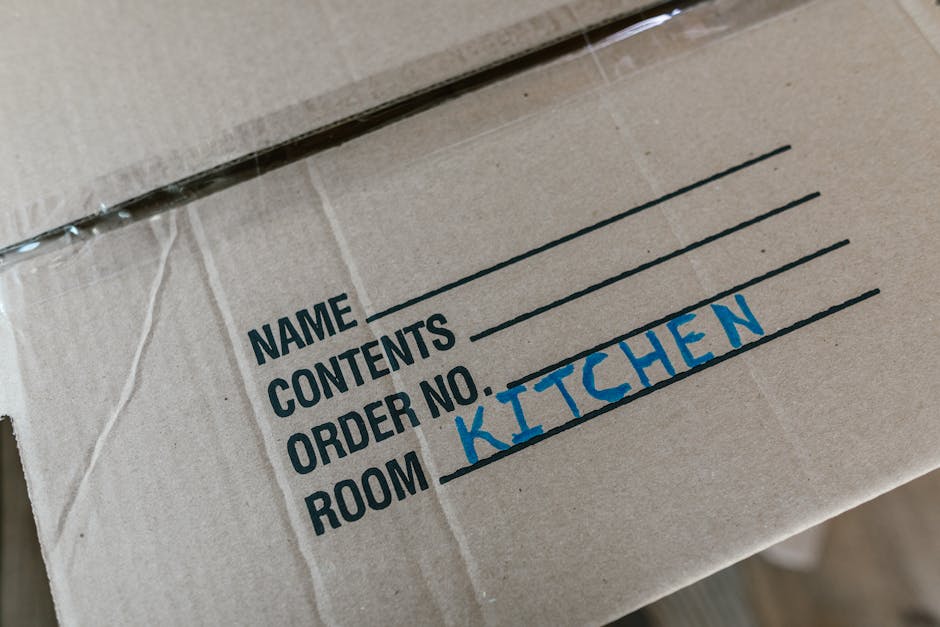
- Stage boxes by room. Clear labelling speeds up unloading and reduces confusion once everything reaches the property.
- Plan for fragile or valuable items. If you have artwork, monitors, glass items, or specialist equipment, make space for separate wrapping and careful placement.
- Prepare a backup for delays. Storage, flexible timing, or a second trip can rescue the day if access turns out to be tighter than expected.
If you are moving a mixed load, it can help to separate the job into categories. Smaller items and documents may go first, while furniture or surplus stock can move later. For businesses, business storage and office storage can keep things orderly during a phased relocation.
Expert Tips for Better Results
A few small choices make a big difference. These are the details people often miss.
- Choose the quietest sensible window. Early starts often work best for access around busy venues, but only if building rules and neighbours allow it.
- Keep the loading route boring. That is a compliment. The best route is usually the one with the fewest turns, doors, and surprises.
- Use proper packing for awkward items. Mirrors, lamps, and framed pieces deserve better than a last-minute wrap in a spare duvet.
- Assign one person to decisions. Too many voices on moving day can slow everything down. One point of contact keeps things calm.
- Protect floors and door frames. In older buildings or tight apartments, basic protection avoids cheap damage that becomes annoyingly expensive later.
- Be realistic about vehicle size. Bigger is not always better. A slightly smaller van that parks closer can beat a larger one that has to stop half a street away.
A useful rule of thumb: if a move involves a lot of stop-start carrying, ask whether a small removals setup, local removals, or even mobile self storage would make the process easier. Sometimes the smartest move is not the obvious one.
And yes, people do forget to measure the hallway. More often than they admit.
Common Mistakes to Avoid
Most access problems are preventable. The tricky part is that they feel minor until the day itself.
- Assuming the van can park outside. Never rely on this without checking access and timing.
- Ignoring lift and stair restrictions. A lift that is technically available may still be too small, too slow, or booked by others.
- Failing to tell the removal team about access issues. They need the full picture, not just the address.
- Overpacking boxes. Heavy boxes become hard to carry through longer routes and tight turns. They also increase the risk of injury.
- Leaving dismantling until the morning of the move. That is how simple jobs become messy jobs.
- Not planning where items will go at the destination. If the team has to guess, time gets wasted.
Another common slip is forgetting the end of the move. You might have perfect access at the old property, then discover the new one has a narrow staircase and nowhere to queue items safely. It happens. Keep both ends in view.
Tools, Resources and Recommendations
You do not need specialist kit to plan access well, but a few practical tools help more than people expect.
- Tape measure: for door widths, hallways, and furniture dimensions.
- Notebook or phone notes: to record access instructions, gate codes, lift timings, and contact names.
- Labels and marker pens: simple, old-school, and still excellent.
- Flat-pack tools: screwdrivers, Allen keys, and a bag for fixings.
- Furniture covers or blankets: for protection in narrow routes.
- Storage planning: useful if completion dates or handover timing are uncertain.
If your move involves sentimental or sensitive items, think beyond the move itself. Secure storage can be a sensible temporary home for valuables, while household storage works well when a home is partly packed up but not yet fully settled. For longer gaps, long-term storage may be the better fit.
For readers looking to understand the company side of the service, the about us page and insurance and safety information are sensible places to look before booking. It is a small step, but it builds confidence.
Law, Compliance, Standards, and Best Practice
For a local removal near Fairfield Halls, the main compliance concerns are usually practical rather than dramatic: safe lifting, safe loading, sensible parking, and respect for building rules. In the UK, professional movers are generally expected to follow good health and safety practice, and customers are wise to ask how risks are managed.
That can mean a few things in plain English:
- Manual handling: heavy or awkward items should be moved with care, the right technique, and enough people.
- Vehicle safety: loads should be secured properly so nothing shifts during transit.
- Property protection: floors, bannisters, and door frames should be protected where needed.
- Insurance awareness: it is sensible to know what is covered, what is excluded, and what information you need to declare honestly.
- Clear terms: both sides should understand timings, access limits, and responsibilities before the move begins.
If you are comparing providers, take a quick look at the health and safety policy, terms and conditions, and payment and security information. These pages help set expectations. You do not need to become a legal expert; you just need to know you are dealing with a business that takes the basics seriously.
For environmentally aware moves, recycling and sustainability can also matter if you are decluttering before a move. It is often the right time to reuse, donate, or recycle items rather than carting everything to the next address. Less clutter, less lifting. Nice and simple.
Options, Methods, and Comparison Table
Different access situations call for different approaches. Here is a quick comparison that may help you decide what suits your move near Fairfield Halls.
| Option | Best for | Access strengths | Watch-outs |
|---|---|---|---|
| Full house removals | Larger homes, family moves, multiple rooms | Well suited to more boxes, furniture, and coordinated loading | Needs clearer parking and more space to work |
| Flat removals | Flats with lifts, stairs, or shared entrances | Can be planned around tighter building access | Lift size and stair turns can slow the job |
| Man and van | Smaller loads, single-room moves, quick trips | Flexible and often easier for awkward central access | May need multiple runs if the volume is underestimated |
| Removals and storage | Moves with timing gaps or uncertain completion dates | Takes pressure off when access or timing is not straightforward | Requires a little more planning in advance |
| Small removals | Studios, smaller apartments, partial contents | Often the easiest fit where access is tight | Can be underused if the load is larger than expected |
If you are comparing methods, be honest about volume and access. A move can look small on paper and still feel awkward because of the building layout. Croydon has plenty of properties where the route matters more than the item count.
Case Study or Real-World Example
Picture a couple moving out of a flat a short walk from Fairfield Halls on a weekday morning. They have a sofa, a bed frame, six medium boxes, a desk, and a few fragile items. Nothing huge. But the parking outside is limited, the entrance is shared, and the lift is booked for a different window than they first expected.
Instead of treating it like a standard quick move, they do three things. First, they measure the sofa and confirm it will not fit in the lift upright. Second, they dismantle the bed the night before and keep the fixings in a labelled pouch. Third, they agree with the removal team to park slightly further along the road at a legal stopping point and use a simple hand-carry route.
The result? Fewer surprises, fewer pauses, and a much cleaner finish. It was not glamorous. No dramatic moments, no heroic lifting montage. Just sensible planning and a calmer morning. To be fair, that is usually the ideal.
In another scenario, a small business relocating paperwork and compact equipment opts to move documents separately and use document storage for archives they do not need immediately. That keeps the main move lighter and reduces the risk of misplacing something important. Small decisions, big relief.
Practical Checklist
Use this before moving day. It keeps things tidy, and it only takes a few minutes to review.
- Confirm the exact moving address and entrance
- Check parking, loading, and stopping options near Fairfield Halls
- Measure doors, stair turns, and lift dimensions
- Ask about building rules, access times, and booking requirements
- Tell the removal team about any tight corners, steps, or long carries
- Label fragile items clearly
- Dismantle bulky furniture in advance where needed
- Pack boxes to a manageable weight
- Protect floors, corners, and glass surfaces
- Decide whether storage might help with timing gaps
- Keep keys, contacts, and instructions in one easy-to-reach place
- Set aside a small essentials box for the first night
Quick takeaway: if access feels uncertain, simplify the move. Use a smaller vehicle, split the load, book storage, or stagger the timing. The goal is not to make the move impressive. It is to make it smooth.
Conclusion
Fairfield Halls moving access tips for Croydon removals come down to one thing: plan the route, not just the contents. When you think through parking, building entry, lift use, and item size before the day, the whole move becomes easier to manage. You spend less time reacting and more time actually getting settled.
That is especially valuable in central Croydon, where access can be busy, narrow, or just a bit unpredictable depending on the hour. The good news is that a sensible plan usually goes a long way. Measure first, communicate clearly, and use storage or a smaller move method if it keeps the job calmer. Simple advice, but it saves a lot of trouble.
If you are weighing up options, it can help to review the service details and get a clear picture of what is included before you commit. A well-planned move is rarely the flashiest one. It is the one that finishes with no one muttering under their breath and no scratched banister on the way out.
Get a free quote today and see how much you can save.
And if you are still on the fence, that is fine too. A careful move near Fairfield Halls is not about rushing. It is about arriving in good shape, with your sanity mostly intact.
Frequently Asked Questions
What are the most important Fairfield Halls moving access tips for Croydon removals?
The main priorities are parking, walking distance from van to door, lift or stair access, and any building rules that affect timing. Measure the route, check the access points, and tell the removal team about anything awkward before moving day.
How far in advance should I check access near Fairfield Halls?
As early as you can. A few days may be enough for a simple move, but if you are dealing with a flat, a busy street, or a building manager, earlier is better. It gives you time to fix problems instead of discovering them at 8am.
Do I need a smaller van for a move near Fairfield Halls?
Not always, but smaller vans can be easier to position in busy areas. If access is tight and the load is modest, a smaller vehicle may actually be the smarter choice because it reduces carrying distance and parking stress.
What should I measure before moving day?
Measure the largest items, doorways, corridors, stair turns, and lift dimensions. If there is a tight bend or low ceiling, check that too. A quick measure often avoids a very awkward moment later.
How do I handle limited parking during a Croydon removal?
Plan a legal loading point in advance and consider the time of day. If parking is uncertain, let the removal team know so they can decide whether to use a different vehicle, a second person, or a different unload strategy.
Is storage useful if my move near Fairfield Halls is delayed?
Yes, very often. Storage gives you breathing room if completion dates shift or if you need to move in stages. Options like removals and storage can make a messy timeline much more manageable.
What kind of move is best for a flat near Fairfield Halls?
That depends on the amount of furniture and how accessible the building is. Many flat moves work well with a compact team or flat removals service, especially where lifts, corridors, or shared entrances are involved.
Can I move office equipment near Fairfield Halls without disrupting work?
Yes, if the move is staged properly. Many businesses use office removals alongside document handling and storage so essential work can continue with minimal interruption.
What if my furniture will not fit through the hallway?
Check whether it can be dismantled safely before the move. If not, you may need a different route, a smaller load plan, or alternative storage. It is better to know this early than to discover it while holding a headboard sideways in the hallway.
Are packing services worth it for access-heavy moves?
They often are. If access is tricky, well-packed and clearly labelled boxes help the team move more quickly and safely. Good packing also reduces the chance of damage during a longer carry or a stop-start route.
How do I choose between man and van and full removals?
Use the size of your load and the complexity of access as your guide. A small load with simple access may suit man and van, while a bigger household move usually needs a fuller service.
Where can I find helpful service information before booking?
It is sensible to review the company's details on about us, insurance and safety, and pricing and quotes. That gives you a better sense of how the move will be handled and what to expect.